A route towards non persistent cross linked humin resins (2026-2032)
SEVEN theme: Future of Energy
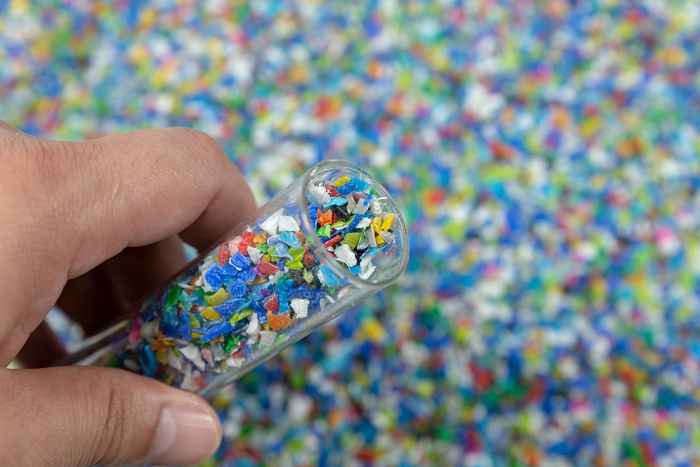
Humins, usually burned as waste in biorefineries, can be transformed into sustainable plastics. This project develops recyclable thermoset resins from humins using special chemical bonds that allow reshaping, recycling, and safe degradation in the environment—avoiding microplastic pollution. These materials can reinforce natural fiber composites for durable, bio-based products. Their safety will be tested by studying breakdown products and environmental effects. A life cycle assessment will evaluate environmental benefits and trade-offs. Moreover, the project addresses market, regulatory, and societal barriers to adoption, aiming to create safe, affordable, and user-friendly materials designed for circular use.
-
Envisaged Impact
The project will enable industry partners to start using humin-based covalent adaptable networks (CANs) as recyclable, non-persistent alternatives to fossil-based thermosets and adhesives.
Output 1: The project will generate new materials, methods, and knowledge essential for achieving the envisaged impact. This includes the design and synthesis of reversibly crosslinked humin-based covalent adaptable networks (CANs), their properties, their processing into adhesives and composites, and protocols for their scalable application in timber panels and sports equipment.
Output 2: Environmental and safety knowledge will be produced through ecotoxicological bioassays, degradation studies, and life cycle and risk assessments, filling gaps in our understanding of humin persistence and ecological effects.
Output 3: Socio-economic insights will be gathered on stakeholder behaviour, willingness to adopt, and effective business models, which are critical for guiding industrial implementation and societal acceptance.
Output 4: Stakeholder engagement reports, policy briefs, training toolkits, public outreach materials, and updated university curricula, ensuring further implementation of the project’s results.
-
Researchers & partners
Katrien Bernaerts (Maastricht University), Martina Vijver (Leiden University), Frenk van Harreveld (SEVEN - University of Amsterdam), Francesco Acquasanta (Avantium), Maximilian Gemsjäger (gemsjaeger.ski UG, Germany), Martijn Monné (Kappi, the Netherlands).
-
Funding
The project is funded by the Dutch Research Council (NWO).
-
Opportunities for collaboration
Do you see an opportunity for yourself or your organisation to collaborate on this theme? Please contact Denise Li.