The political polarisation of meat
Blog post by Willem Boterman

Although the real polarization is driven by a loud minority and most people are supportive of climate action and animal welfare, the politicization of meat reduction is a major problem for the protein transition.
The global production of meat, dairy, and eggs relies on the exploitation of human labour and animal lives, is environmentally destructive, presents major public health hazards, and contributes substantially to the climate crisis. Industrial livestock farming in particular is a major culprit, as it is not only very inefficient in terms of land and resource use, but animal agriculture is also among the major sources of greenhouse gas emissions and causes of deforestation and destruction of natural habitats.
Radically changing the current food regime is the best thing we can do for animals, humans and the planet at large. This shift towards a more plant-based food system, generally referred to as the protein transition, is emerging as a policy agenda across many countries, connecting policy domains of agriculture, health, environmental, animal welfare and climate change.
As governments, NGOs, interest groups and social movements are pushing for the protein transition, resistance is emerging from various sides. Similar to political dynamics around energy or mobility transitions, the protein transition is politicizing, intersecting with existing and emerging axes of political conflict across societies. While there are numerous ways in which the protein transition becomes political, in my view it is important to differentiate between resistance connected to the production side and resistance stemming from consumers, and moreover to understand how these intersect.
Production side resistance
In recent years, farmers’ protests broke out all over Europe, largely in response to new policy regulations related to the agro-food system. While nationally and regionally reasons to protest differed, they were often directed at attempts to regulate conventional, industrial (livestock) farming as to reduce its environmental and climate impact. In the Netherlands, protests were particularly fierce, leading to blockades of main highways and harassment of responsible government officials. Several new radical farmers organizations were founded, which managed to not only organize substantial numbers of conventional farmers, but also received financial support from larger feed companies such as ForFarmers, and received political support from radical right wing parties.
Former agricultural consultants even founded their own political party (Farmer Citizen Movement, BBB) which gained substantial representation in both Dutch chambers. This party even joined the previous right-wing coalition government, in which it managed to claim the ministry of Agriculture. While that coalition proved short-lived, its reign did expose the highly reactionary sentiment among some political forces in the Netherlands when it comes to agro-food transformation.
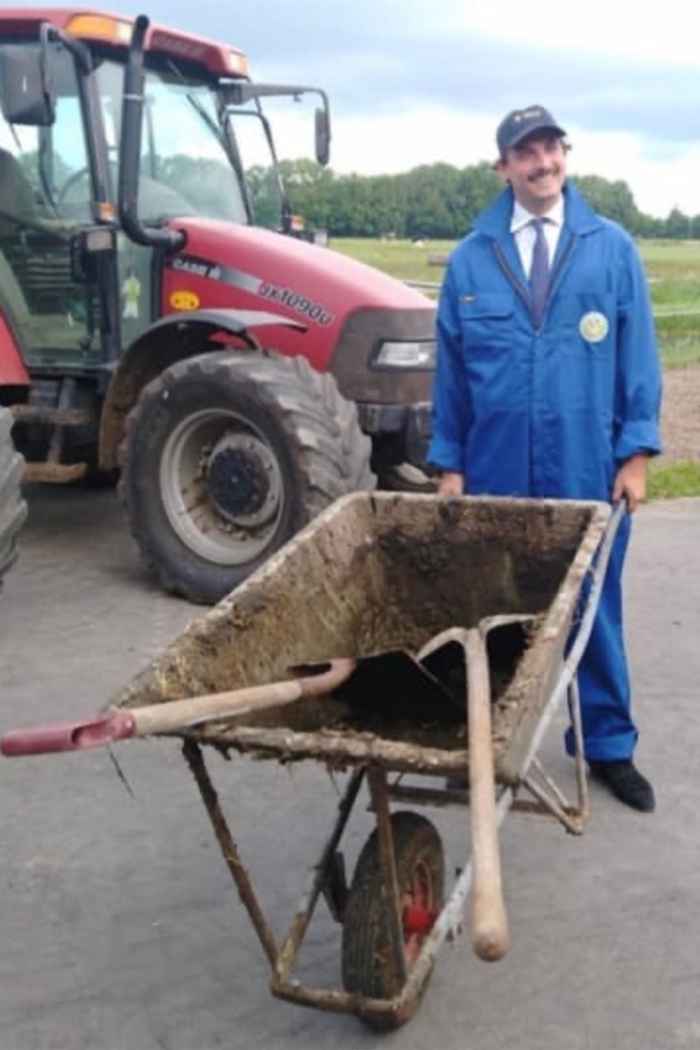
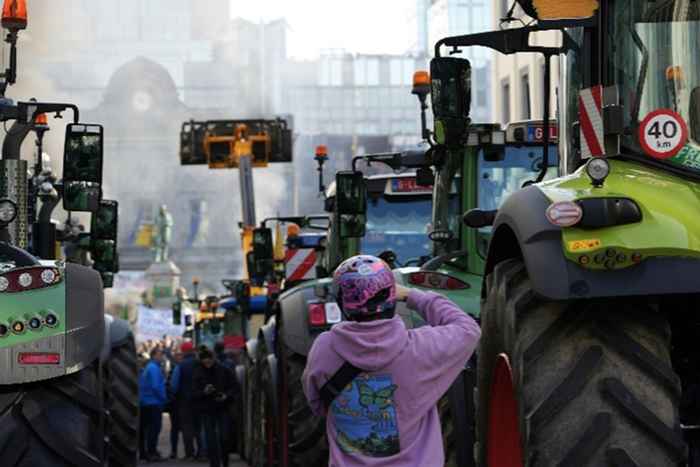
The close ties between conventional livestock farmers, the feed and meat processing industry such as ForFarmers and Royal De Heus, and radical right wing politicians during the protests and their aftermath, revealed that resistance to change emanates from specific alliances. Those alliances have been remade over the past years largely replacing older alliances between conservative parties and intensive livestock farming. At the European level, conservative parties (European Christian Democrats, EVP) are still strong supporters of conventional industrial farming, but radical right wing fractions (European patriots) also emerge as stout supporters of farmers and moreover as fierce critics of climate and environmental aspects of the European Green Deal, Farm to Fork Strategies and Common Agriculture Policy. As a consequence, political support for conventional productivist farming becomes aligned with other issues along the cultural dimension of political conflict, tying into electoral dynamics.
Consumption side resistance
Voters are also consumers and vice versa. Politicians are feeding specific controversies and some are trying to increase the salience of issues of food and agriculture. Both on the supply side of politics as well as on the demand side, agro-food related issues are emerging as issues that align with other issues that tie into political polarization. It seems clear that meat reduction and related issues such as veganism/vegetarianism, nutritional advice, or institutional food politics are increasingly used in public debate by politicians and citizens alike. Many of the online and traditional media debates revolve around dichotomies such as masculine/feminine, national/foreign, sustainable/unsustainable, healthy/dangerous, ethical/hypocrite, elitist/normal.
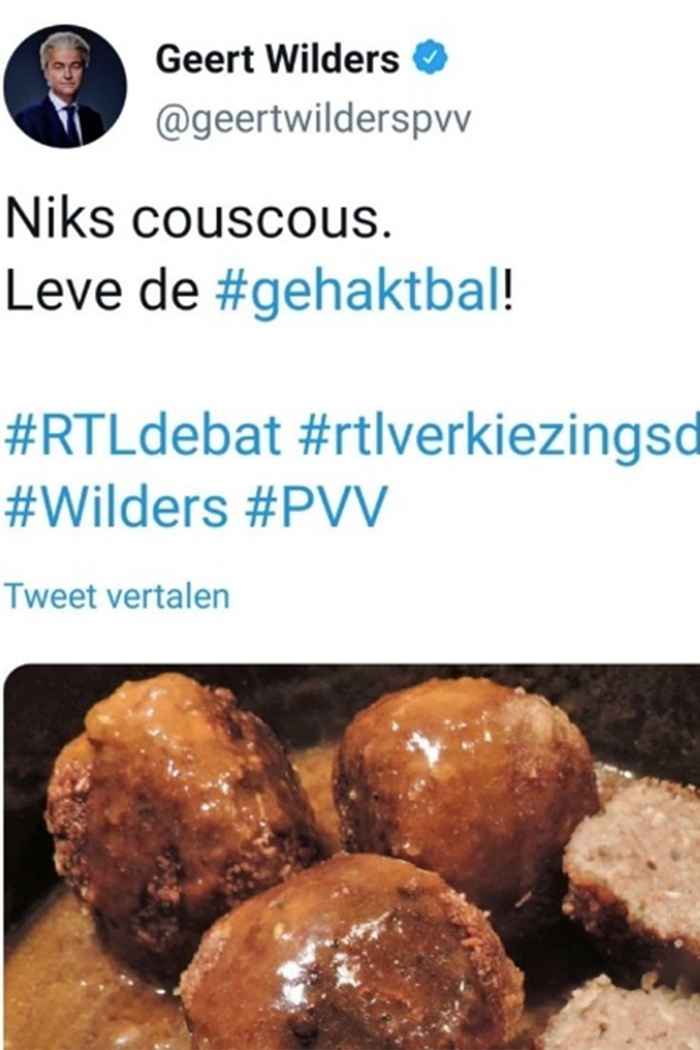
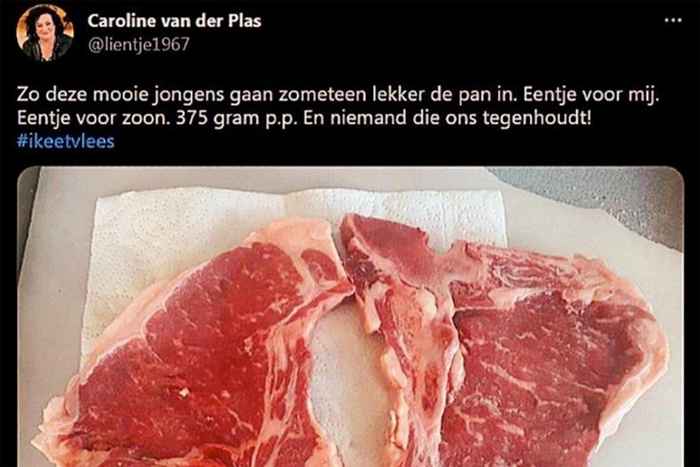
In recent studies, I have demonstrated that political ideological dimensions, such as gender ideologies, cultural conservatism, and nationalism/nativism are positively associated with meat consumption and resistance to reduction. Moreover, right-wing self-identification and conservative ideologies have become ever closer correlated with meat consumption in the past 15 years. As meat consumption is becoming politicised, resistance evolves around various aspects of the protein transition away from meat.
Historically, animal welfare concerns have been the central reason for people to reduce their meat consumption, and they remain an important factor today. Interestingly, animal welfare is not particularly politically contentious. Although a concern for environmental issues is generally part of progressive agenda’s, animal welfare is less clearly aligned with political left-right opposition. Among voters there is actually quite broad consensus concerning the problems of industrial agriculture for animal welfare with only small variation across party support. Across the entire political spectrum, including the radical right, politicians can be found that are strong proponents of animal welfare issues. Within the Dutch context, political parties that are historically proponents of agricultural interests (CDA, CU, SGP) are least supportive of animal welfare issues, while radical right wing voters are closer to progressive parties.
However, the debate about the protein transition has moved away from animal welfare issues. Climate change is dominating the debate and is emerging as another key reason to eat less meat. Here, meat consumption is a much more divisive topic. Not only do many consumers in general find it difficult to change their diet for climate reasons, but also many do not see, or even question, the link between meat consumption and climate change. Climate change skepticism or denial are thus brought into the politics of meat reduction. As such, support for policies that advance the protein transition become challenged by waning institutional trust (in politicians, media, science). Here, populist rightwing parties act both as voices of an underrepresented electorate, as well as a catalyst of waning trust in media and science by sowing doubt.
Moreover, there is evidence that this skepticism about the need to reduce meat is highly gendered. Men on average eat more meat and are less willing to change diets. While this association is not new, it seems that more conservative gender ideologies that emphasize traditional masculinities of virility and strength (‘the manosphere’) are actively promoting diets that are based on lots of (raw) meat (Figure 2).

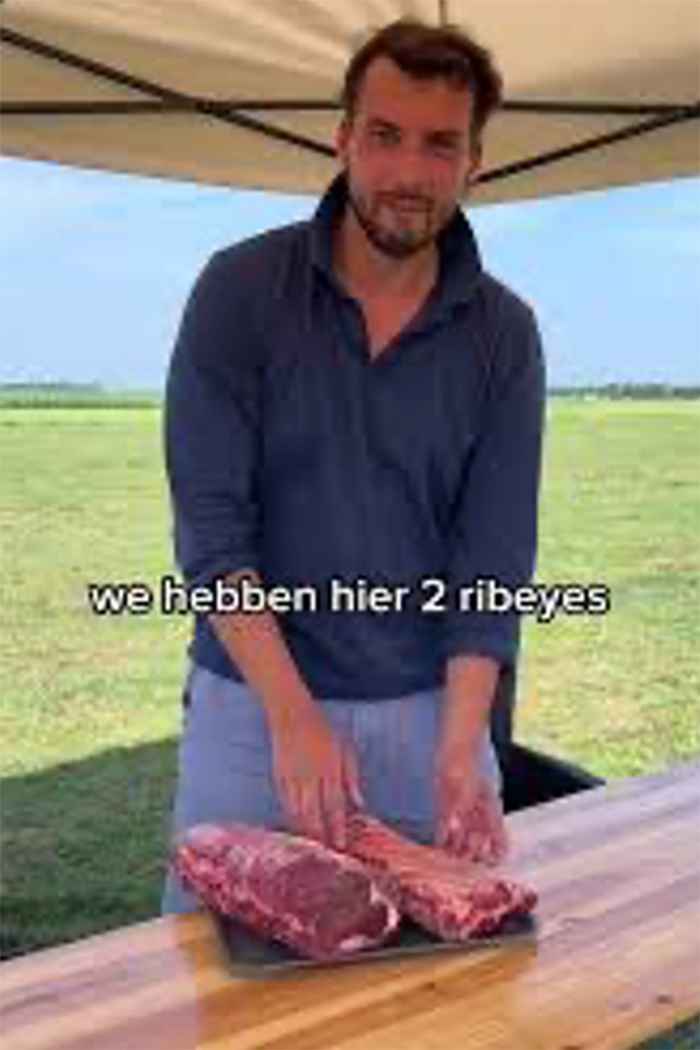
What is interesting about these ‘paleo diets’ is that they are not resisting a health narrative per se. To the contrary, (grass fed) meat or raw milk are promoted as healthy, rejecting medical consensus that red meat is causing several serious diseases. The recent adjustments in nutritional advise in the US in favour of animal based products, shows that this is no longer a fringe movement but has moved to the centre of political decision making. As such, it seems that public and personal health are also increasingly drawn into the ‘culture wars’ of meat. The responses to the recently launched Schijf van vijf (food pyramid) in the Netherlands, which called for a drastic reduction of animal protein consumption are further proof that this is not limited to the US. What this debate also revealed was that attempts to connect planetary and public health, increase the risk for polarization.
Conclusion
Meat reduction has become a politically contentious issue in public debate, translating into a politicization among voters in which climate, health and elite trust are elements that divide the electorate along familiar fault lines. Although the real polarization is driven by a loud minority and most people are supportive of climate action and animal welfare, the politicization of meat reduction is a major problem for the protein transition. To make the necessary transition towards a more plant-based agro-food system it is important to develop inclusive narratives of change that can foster broad political coalitions. To do this, policy strategies should focus on economically attractive alternatives for producers, and phasing out strategies for destructive industries. On the consumer side, strategies should focus on enticing imaginaries of post-meat futures. Given the growing focus on personal health as well as a broad consensus around animal suffering, the protein transition is perhaps better narrated through these theme’s than climate change.