Health(ier) without PFAS: phasing out non-essential uses of “forever chemicals” in hospitals and healthcare (2025-2027)
Theme: Climate and health
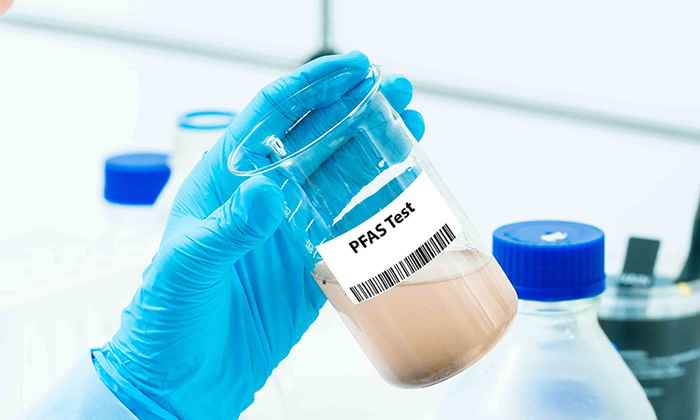
From a SEVEN perspective, PFAS is not a separate environmental issue but part of the broader system transformation required for a just and sustainable future. PFAS pollution and climate change stem from the same structural patterns: fossil-based production systems, linear material use, and the externalisation of environmental and health risks. Sectors that are central to climate transitions—such as healthcare—are also major sources of persistent chemical pollution.
Per- and polyfluoroalkyl substances (PFAS) are persistent “forever chemicals” that pose serious risks to environmental and human health due to their extreme resistance to degradation. While phasing out PFAS is a growing regulatory and public health priority, a substantial share of PFAS pollution—estimated at around one third—originates from the medical sector. Despite increasing awareness and emerging regulations, critical knowledge gaps remain about which medical products and applications contain PFAS and to what extent they can be safely substituted with sustainable, safe-by-design alternatives. These gaps hinder the development of effective policy, innovation, and transition strategies to reduce PFAS emissions.
Working with Amsterdam UMC as a living lab, the project will systematically identify PFAS-containing medical products, assess their functional essentiality, and evaluate the availability and performance of safe-and-sustainable-by-design (SSbD) alternatives. By combining product-level analysis with institutional decision-making, the project will generate actionable insights for healthcare providers, regulators, and suppliers on how to phase out PFAS while safeguarding patient safety and care quality.
Key research objectives include mapping PFAS use in medical tools, pharmaceuticals, and laboratories, assessing the feasibility of PFAS-free alternatives, and understanding barriers and facilitators to implementation.
-
Practical and evidence-based pathways
Health(ier) without PFAS will develop a practical and evidence-based pathway to reduce PFAS use in healthcare. Key research objectives include mapping PFAS use in medical tools, pharmaceuticals, and laboratories, assessing the feasibility of PFAS-free alternatives, and understanding barriers and facilitators to implementation.
-
Envisaged impact
The results will provide best practices for phasing out PFAS from specific products and applications, enhancing knowledge and raising awareness about this critical issue.
Anticipated outputs include case studies of PFAS-free replacements, academic publications, and guidelines for sustainable healthcare practices.
Findings aim to guide broader industry changes, influencing policies and practices to promote sustainable, PFAS-free healthcare worldwide.
-
Researchers & partners
At SEVEN, the project is led by Niek Sperna Weiland (Anaesthesiology). Other SEVEN researchers who participate in the project are Ans Kolk (Corporate social responsibility & Sustainability), Antonia Praetorius (Environmental Chemistry) and Catherine Volgenant (dentistry).
This project was initiated prior to the formal establishment of SEVEN. Given its strong alignment with SEVEN’s mission and thematic priorities, it has since been embedded in SEVEN’s research portfolio.
-
Funding
This project is funded with a University of Amsterdam Mid-Size Grant as part the IP Theme Sustainable Prosperity.
-
Opportunities for cooperation
Do you see an opportunity for yourself or your organisation to collaborate on this theme? Please contact Denise Li.