Ab-Initio Biowaste Loop (ABEL) (2026-2030)
Theme: Future of energy
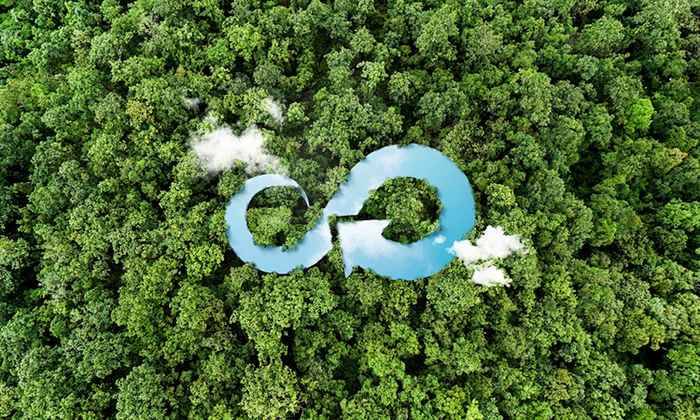
As the Netherlands phases out fossil feedstocks, carbon becomes a critical raw material for everyday materials (e.g., plastics, asphalt, composites, batteries). While renewable carbon can come from biogenic waste, low-grade biowaste is often wet/contaminated and is therefore typically downcycled (e.g., low-value compost/animal feed) or incinerated, which also creates problematic bottom and fly ash residues and can spread persistent contaminants.
This leaves a major gap: how to valorise low-grade waste into high-value products beyond biofuels/biogas, at scale, while navigating policy uncertainty, regulatory bottlenecks, and public acceptance challenges?
Transition pathways and policy packages
ABEL addresses this challenge by combining technology development with governance and stakeholder work across the waste value chain. In practice, it will co-develop transition pathways and policy packages through stakeholder dialogues and analyse which laws/policies need to change (or which technologies must adapt) to remove bottlenecks and enable safe circular use.
This project is executed in partnership with Wageningen University, Leiden University, University of Groningen, Eindhoven University of Technology, and two Universities of Applied Sciences (Hanze Hogeschool, Avans Hogeschool), and with co-funders and practice partners like PreZero, Perpetual Next, NPSP, etc. (Click researchers and partners for more information).
-
Scenarios for a biobased circular economy towards 2040
ABEL will map and characterise Dutch low-grade residual biomass streams and build scenarios for a biobased circular economy towards 2040 within technological, economic and social boundaries.
It will develop and test novel conversion routes and materials and translate these into target applications such as biopolymer monomaterials, soil amendments, bio-asphalt, bio-composites and bio-based energy storage materials. And it will work with waste processors, manufacturers, and networks to support real-world validation, business-model learning, and dissemination—explicitly linking the technical work to the institutional and market conditions needed for uptake.
-
Envisaged impact
ABEL aims to contribute to the following outcomes:
- By 2040, empower communities to actively engage in waste collection, valorisation of low-grade biogenic waste, and biomaterial production; enable the phase-out of incineration of low-grade biogenic waste, reducing environmental harm associated with bottom and fly ash residues.
- By 2050, support the full adoption of ABEL-developed technologies by waste management and related industries for the recycling and reuse of low-grade biogenic waste and bio-polymers.
- Develop advanced material flow accounting strategies by integrating product-specific quality and lifetime data to support circularity planning across regional, sectoral, industry, and product scales.
- Contribute to policy incentives, regulatory alignment, and standardisation, including harmonised definitions, unified accounting practices, and standardised product certifications that promote biomaterials from low-grade waste.
- Deliver environmental benefits across ecosystems, including reduced carbon emissions from fossil feedstocks, lower waste incineration, and overall waste reduction.
-
Researchers & partners
Partners in this academic consortium are: TU Delft (main applicant), Wageningen University, Leiden University, the University of Groningen, Eindhoven University of Technology, and the Universities of Applied Sciences (Hanze Hogeschool, Avans Hogeschool).
Co-funders/industry & practice partners include: waste processor PreZero, biochar manufacturer Perpetual Next, bio-composite manufacturer NPSP, and cooperation partners/networks such as Federatie Bio-economie Nederland (FBN), BVOR, DWMA, Amsterdam Green Campus, CIRCUROAD (Rijkswaterstaat-led), and producers including ATA Mute and WAVIN.
On behalf of SEVEN, the project is led by Shiju N. Raveendran (Catalysis engineering), and Joyeeta Gupta (Environment and Development in the Global South).
-
Funding
NWO – Dutch Research Agenda (NWA-ORC 2024).
-
Opportunities for collaboration
Do you see an opportunity for yourself or your organisation to collaborate on this theme? Please contact Denise Li.