Tackling the effects of climate change on diarrheal diseases (Springs) (2024-2025)
Theme: Climate and health
How big will the impact of future climate shocks be on waterborne diarrheal diseases, and how should we shape climate, environmental and health policies accordingly?
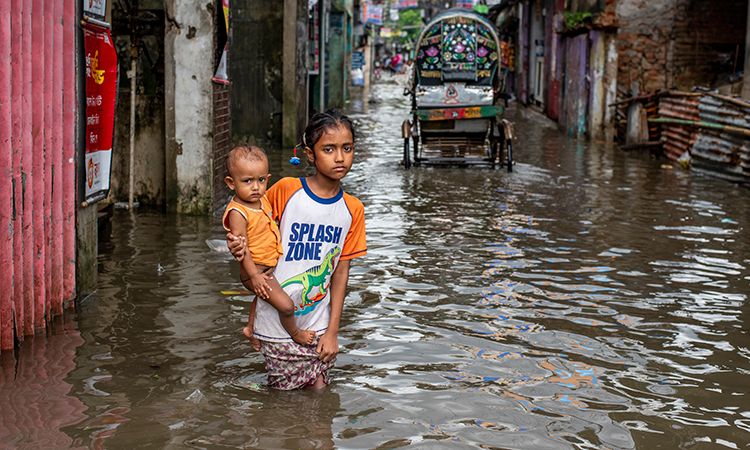
Diarrheal disease is currently the third leading cause of death in children aged 1–59 months. Global climate projections of increased precipitation, flooding, and drought threaten decades of progress in reducing the burden of diarrheal disease.
Through a multidisciplinary approach, SPRINGS is investigating the interplay between shifting weather patterns, environmental changes, and the spread of diarrheal pathogens. By combining pathogen data with climate projections, this project seeks to enhance understanding of the factors influencing diarrheal spread and to predict disease burden under future climate scenarios. Ultimately, we aim to support informed decision-making and the implementation of targeted interventions to reduce the burden of diarrheal diseases in the face of climate change.
The SPRINGS consortium brings together scientists from climate, environmental, health, and social sciences to collaborate with communities, public authorities, and policymakers. This transdisciplinary and cross-sectoral project focuses on mutual learning and capacity building across continents and diverse socioeconomic settings.
The Amsterdam Institute of Global Health and Development and Amsterdam UMC, a leading medical center, are spearheading the consortium.