A route towards non persistent cross linked humin resins (2026-2032)
SEVEN theme: Future of Energy
How to enable industry partners to start using humin-based covalent adaptable networks (CANs) as recyclable, non-persistent alternatives to fossil-based thermosets and adhesives?
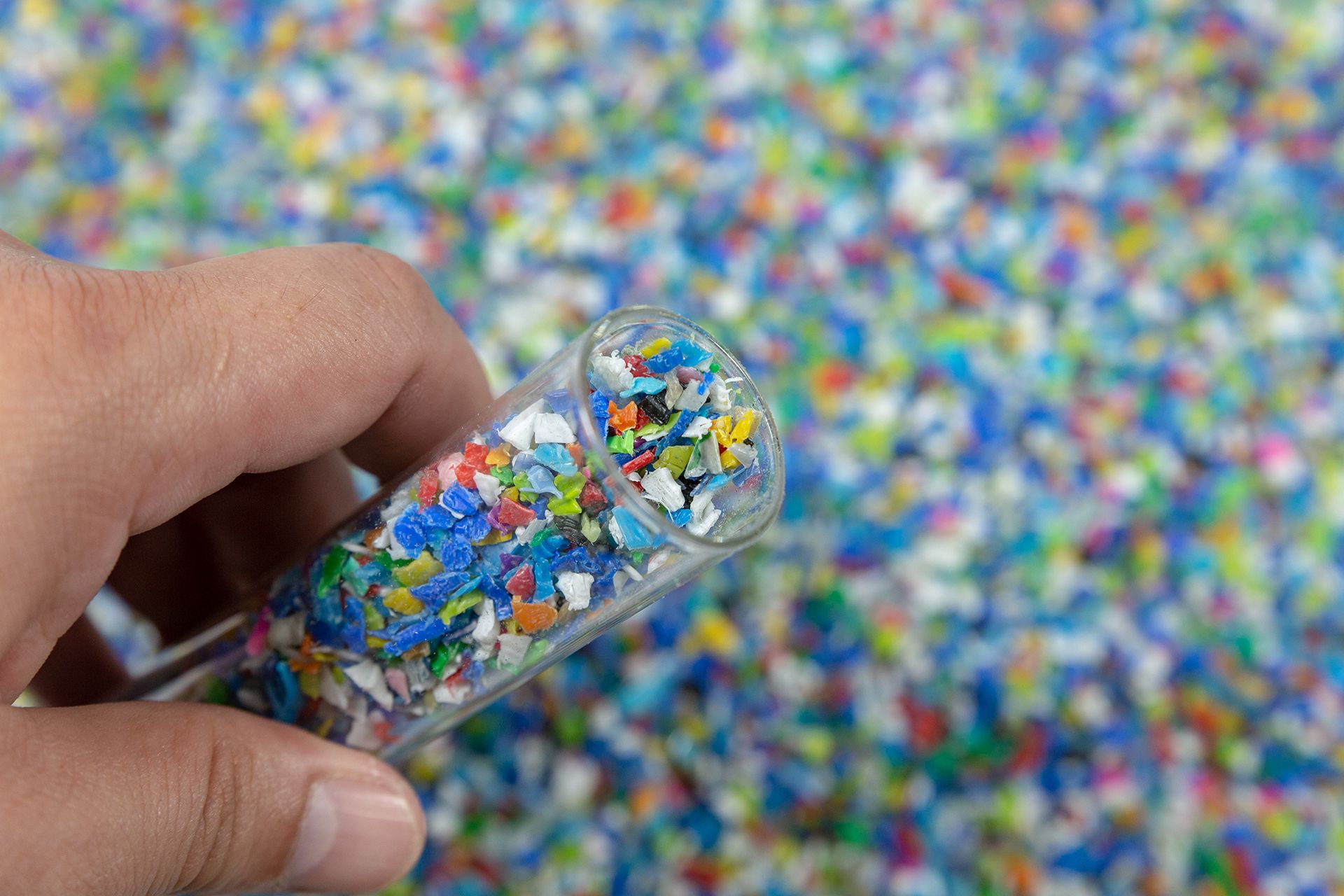
Humins, usually burned as waste in biorefineries, can be transformed into sustainable plastics. This project develops recyclable thermoset resins from humins using special chemical bonds that allow reshaping, recycling, and safe degradation in the environment—avoiding microplastic pollution. These materials can reinforce natural fiber composites for durable, bio-based products. Their safety will be tested by studying breakdown products and environmental effects. A life cycle assessment will evaluate environmental benefits and trade-offs. Moreover, the project addresses market, regulatory, and societal barriers to adoption, aiming to create safe, affordable, and user-friendly materials designed for circular use.